Case Study: How Sacramento International Airport Improved Facility Responsiveness Across a Complex Airport Environment
Operational Priorities at a High-Volume Airport
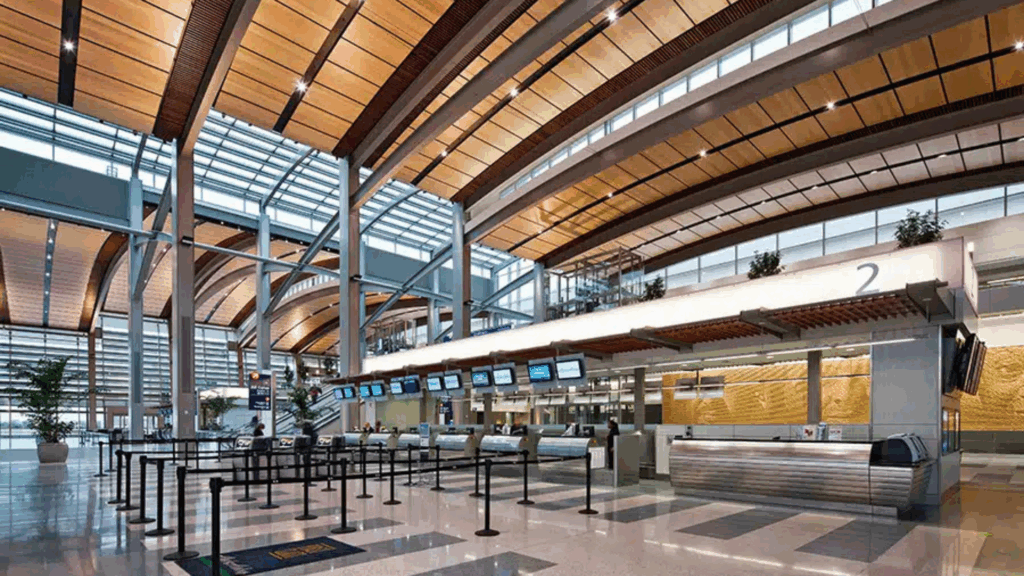
Sacramento International Airport (SMF) serves more than 13.8 million passengers annually across a large and complex footprint that includes multiple terminals, operational buildings, and additional SMF-managed airports. Maintaining clean, safe, and functional facilities in this environment requires fast issue detection, clear coordination, and reliable follow-through, particularly in high-traffic areas such as restrooms, checkpoints, boarding areas, and food courts.
In this setting, even small facility issues can quickly affect operations and passenger perception if they are not addressed promptly. As passenger volumes increased, SMF recognized the need for a more consistent way to identify facility issues in real time for quick service recovery.
Challenges with Traditional Issue Escalation
Previously, many facility concerns were escalated through supervisors via phone calls, text messages, or in-person communication. While this approach worked in individual cases, it proved difficult to manage consistently at scale. Issues could take longer to reach the appropriate team, visibility across departments was limited, and identifying recurring problem areas across a large airport environment was challenging.
SMF needed a way to improve real-time visibility, reduce response times, and create clearer ownership from issue identification through resolution.
A More Direct Approach to Facility Reporting
To address these challenges, SMF adopted Touchwork’s FixIT, a location-based reporting solution that allows passengers, staff, and contractors to report issues directly from where they occur. This enabled the airport to capture facility concerns in real time and route them more efficiently across custodial, facilities, and operational teams.
FixIT was deployed broadly, with 196 QR codes installed across public and non-public areas, ensuring coverage beyond passenger-facing spaces.
Deployment scope included:
Terminals
- Terminal A and Terminal B
- Public and non-public restrooms
- Ticket counters
- Boarding areas
- Jet bridges
- Common areas
- Food courts
Operational and support locations
- Trash compactors
- Back-of-house areas and maintenance buildings
- Auxiliary buildings not centrally located in terminals
- Preventive and airfield maintenance trailers
Additional SMF-managed airports
- Sacramento Executive
- Mather (primarily restroom reporting)
Airside locations
- Select areas accessible only to airside operations staff
This breadth of coverage ensured that facility issues could be identified not only by passengers, but also by staff and contractors working in operational and support areas that are typically less visible.
How Issues Are Managed Day to Day
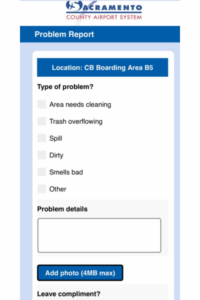
When an issue is reported, it becomes immediately visible to supervisors and managers through a shared notification workflow. Reports are typically acknowledged in under one minute and routed to the appropriate team, whether custodial or another airport department. Completed work is documented within the FixIT solution (including pictures) and closed out, reinforcing clear ownership from report through resolution.
This structured process reduced delays, improved coordination, and made it easier for teams to stay aligned on priorities.
“With shared visibility across managers, issues are acknowledged in less than a minute and acted on right away.”
Javier Herrera | Sr. Airport Operations Worker, Building Services (12+ years at SMF)
Operational Impact
Faster response times
SMF reports that response and repair times improved significantly, with response times reduced by approximately 15–30 minutes, helping prevent minor issues from escalating.
Improved visibility into recurring issues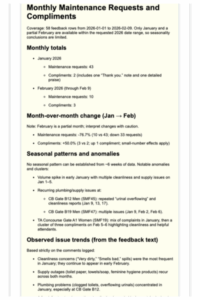
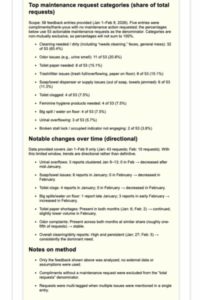
FixIT has provided broader visibility across terminals and operational areas. Especially in areas like restrooms that remain the most common source of reports, because of their heavy usage. identifying patterns earlier and prioritizing resources more effectively has been incredibly helpful.
Fewer missed or duplicate requests
Centralized reporting and clearer routing made missed requests rare and significantly reduced unnecessary duplication of requests
Audit and inspection support
FixIT, combined with SMF’s quality control inspections, has supported stronger compliance outcomes and contributed to higher audit pass rates, with findings reported directly to supervisors for targeted follow-up.
Impact on Passenger Experience
Passengers benefit from cleaner facilities, quicker responses to hazards and spills, and a clearer way to report concerns. SMF also receives positive feedback through the reporting process, including compliments for custodial staff.
In one incident, a restroom began flooding and staff were initially unaware. A passenger submitted a report through FixIT, which triggered immediate notification. Plumbers were dispatched promptly, followed by custodial cleaning and sanitization once repairs were complete. The issue was contained quickly, minimizing disruption for travelers. In a high-volume airport environment, early detection like this helps prevent broader disruption and protects the overall passenger experience.
“Customers let us know about hazards, spills, and also compliments for our custodial staff. We’ve been getting really good feedback.”
Javier Herrera | Sr. Airport Operations Worker, Building Services
Key Outcomes
- Improved operational efficiency through faster routing and clearer ownership across custodial, facilities, and airport departments.
- Reduced response times, with issues acknowledged in under one minute and resolved 15–30 minutes faster.
- Stronger accountability supported by documentation and close-out processes
- Improved passenger engagement through a simple, direct way to report concerns and share feedback.
- Greater audit readiness supported by structured reporting and inspection follow-up.
Conclusion
By rethinking how facility issues are identified, routed, and resolved across its airport environment, Sacramento International Airport has strengthened responsiveness, accountability, and coordination across teams. This operational approach has enabled SMF to maintain facility standards more consistently and respond more effectively to passenger and operational needs in a complex, high-volume setting.