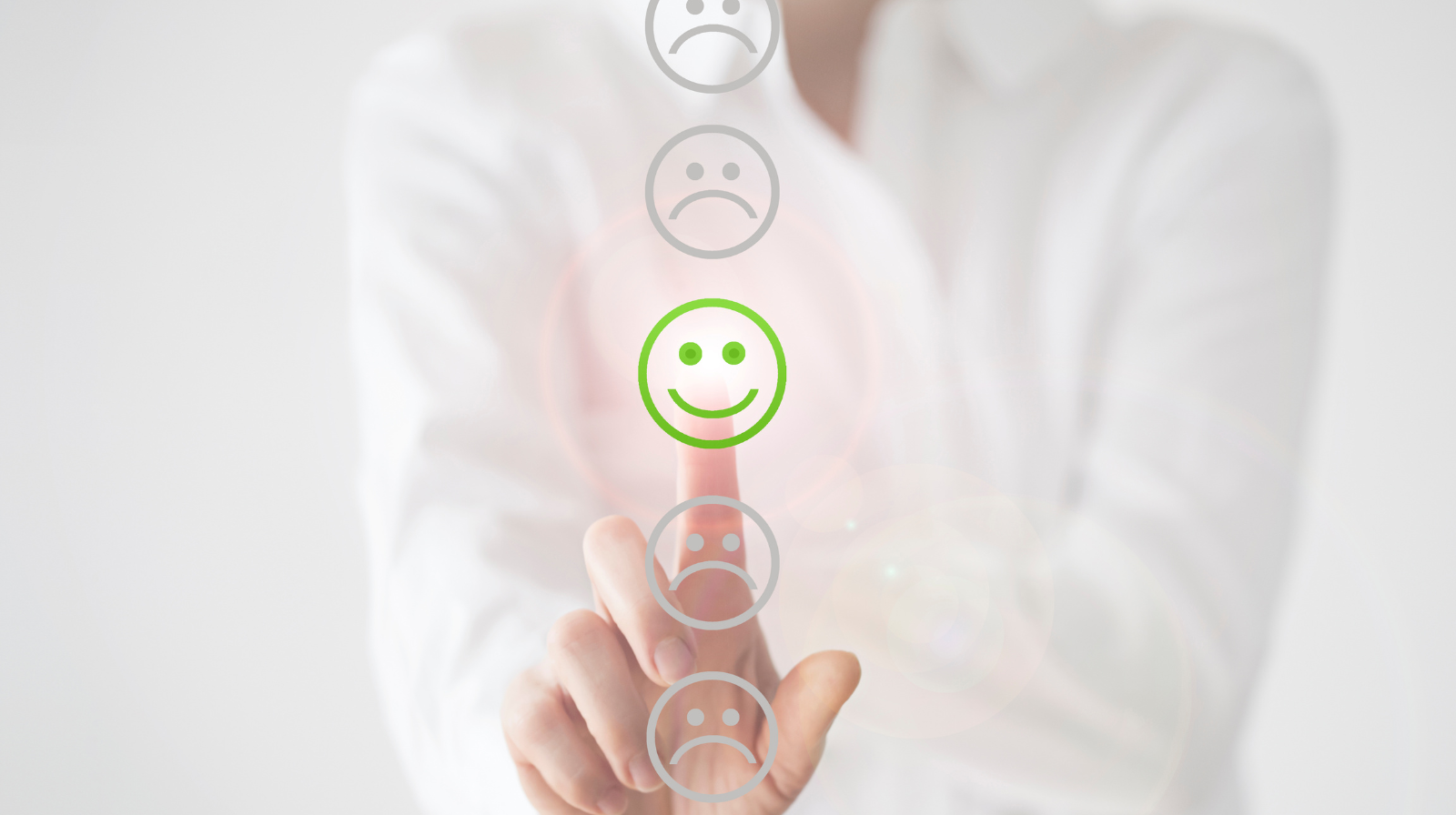
Feedback matters more when it arrives in time
In healthcare and senior living, feedback is most valuable when it can still improve someone’s experience.
That may sound obvious, but many organizations still rely on survey processes that collect comments after the fact. By the time responses are reviewed, the patient may already have been discharged, a resident’s concern may have gone unaddressed for too long, or the same operational issue may already have repeated itself across shifts or locations. The gap is usually not in collecting feedback. It is in acting on it soon enough to make a difference.Real-time feedback helps close that gap.
Instead of treating surveys as a retrospective reporting exercise, real-time feedback makes insight part of everyday service delivery. In settings where comfort, responsiveness, dignity, and consistency shape how care is experienced, that shift matters. It gives teams clearer visibility while people are still receiving care or support, making it easier to respond early rather than explain delays later.
Faster visibility supports faster action
One of the biggest benefits is speed. In more traditional survey processes, feedback is often distributed manually and reviewed later. A real-time approach allows feedback to be gathered across multiple touchpoints and brought into one place immediately. That gives staff visibility while the patient or resident is still on site.
Concerns about meal quality, room cleanliness, communication, noise, delays, or service responsiveness can then be identified and addressed before they turn into formal complaints or lasting dissatisfaction.
That has a direct effect on experience. When people raise a concern and see that it leads to action, they feel heard. In a hospital, that can reduce frustration during an already stressful time. In senior living, it can strengthen trust among residents and families, who often judge quality not only by clinical care but by how reliably day-to-day issues are handled.
Multiple feedback channels improve accessibility
Accessibility is another important benefit. Not everyone wants to give feedback in the same way. Some people are comfortable scanning a QR code. Others are more likely to respond through a kiosk, a text message, a comment card, or a conversation during rounding. A feedback process that supports multiple channels makes participation easier across different ages, abilities, and preferences.
It also gives organizations a broader and more representative picture of experience, rather than relying on a single format that may exclude part of the population. Low-friction feedback tends to reveal patterns earlier: Organizations are less likely to hear only from those at the extremes of satisfaction and more likely to pick up quieter signals that point to operational strain, unmet expectations, or inconsistent service.
Real-time feedback strengthens accountability
Real-time feedback also strengthens accountability. When responses are routed promptly to the right team, concerns do not have to wait for someone to manually review results and decide what should happen next. Issues can be directed to the relevant department, whether that is nursing, housekeeping, dietary, facilities, or another support team.
This creates clearer ownership and faster follow-up, helping organizations move from passive monitoring to active resolution. In complex care environments, that is especially important. Healthcare and senior living providers are balancing experience expectations with staffing pressures, quality standards, compliance requirements, and coordination across multiple departments. Feedback that sits in a dashboard without any connection to daily workflows has limited value. Feedback that supports escalation, action, and resolution is far more useful because it helps teams stay responsive under pressure.
Better insight improves service quality
There is also a wider quality benefit when feedback is connected to routine checks such as rounding, service reviews, tray assessments, and other operational audits. In healthcare and senior living, experience does not exist separately from service delivery. The quality of communication, the condition of the environment, the timeliness of support, and the consistency of daily routines all shape how care is perceived.
Bringing feedback and operational checks together gives leaders a fuller understanding of what is happening across units, communities, and facilities. Instead of reacting to isolated comments, leaders can identify recurring themes, service bottlenecks, and areas where processes or training may need to improve. Trends become easier to spot, and recurring issues are less likely to remain hidden in raw data or delayed reports.
Consistency becomes easier across sites
The value becomes even clearer at scale. Multi-site healthcare providers and senior living operators often struggle with consistency. One location may be performing well while another is dealing with repeated service gaps, yet those differences can remain unclear without timely visibility.
A real-time feedback approach helps standardize how feedback is collected, reviewed, and acted on across sites. That gives leadership a more reliable basis for improvement and helps teams maintain more consistent service standards.
Faster feedback loops support frontline teams
There is a human benefit as well. Frontline staff often want to resolve concerns in the moment, but they need the right information at the right time. Faster feedback loops make that possible. Supervisors can see where issues are still open, where follow-up has happened, and where additional support may be needed.
Over time, that can reduce repeated issues and make service quality less dependent on individual effort alone.
Turning feedback into something usable
Ultimately, the benefit of real-time feedback and survey solutions is not that they simply collect more information. It is that they make feedback usable.
In healthcare and senior living, usable feedback helps organizations respond sooner, coordinate better, and improve experiences while care and support are still being delivered. It helps teams hear more clearly, act more consistently, and connect what people are saying to what operations need to change. When feedback becomes part of everyday improvement rather than an after-the-event exercise, it begins to deliver its full value.